

Imagine you’ve built a popular brand, and one day you discover someone else is using your trademark without permission. Shocking, right? Trademark infringement can happen to anyone – from small businesses to giant companies. In this comprehensive guide, we’ll walk you through what trademark infringement is, how Indian law protects your trademarks, real-life case studies, and step-by-step actions to defend your brand.
What is a Trademark, and Why Does It Matter?
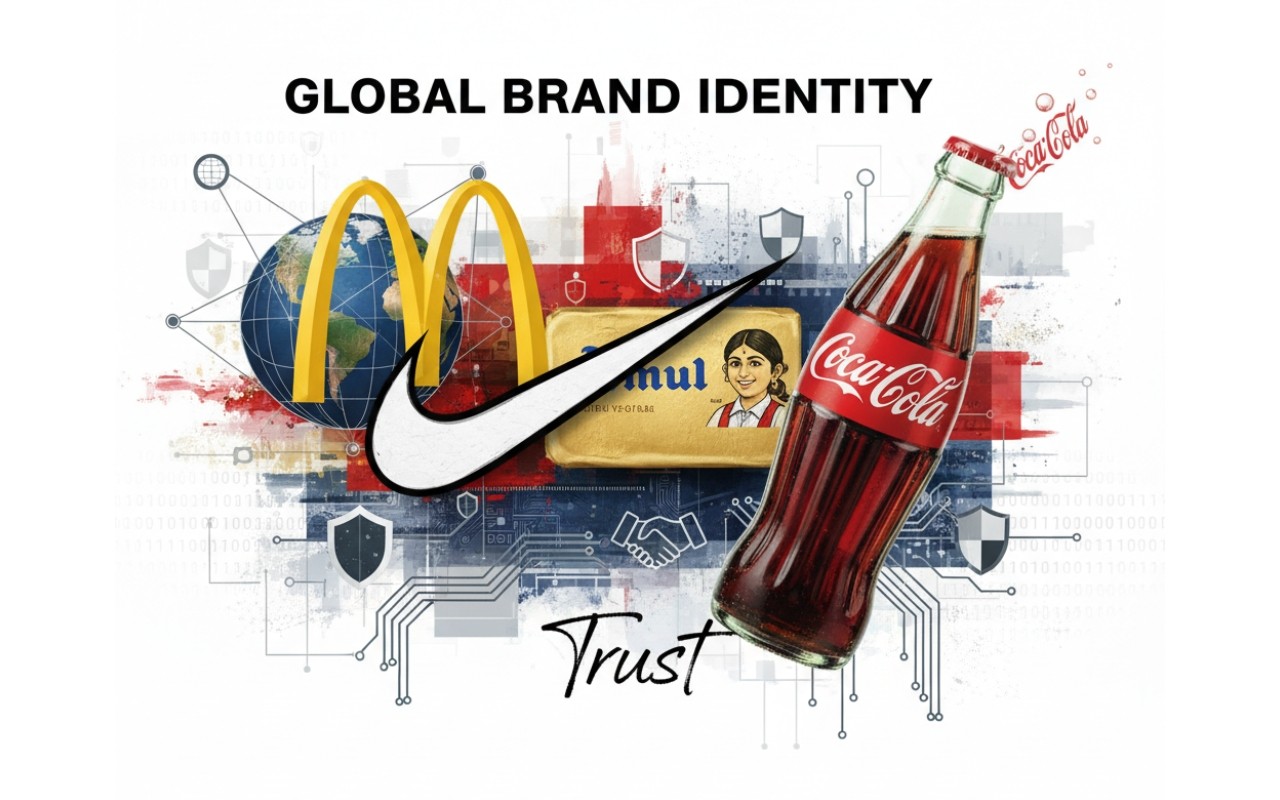
A trademark is basically a unique identity for your brand – it can be a name, logo, slogan, or even a sound that distinguishes your products or services from others .Think of the Nike swoosh or the word “Amul” for dairy products – these aren’t just names or symbols, they represent the reputation and quality of a business. Trademarks help consumers recognize your products in the market and ensure no one confuses them with someone else’s.
Why are trademarks important?
For one, they build brand recognition and trust. If people love your product, your trademark becomes a valuable asset. It also gives you legal rights – especially if you register it. In India, registered trademarks grant the owner exclusive usage rights under the Trade Marks Act, 1999 . That means you (and only you) can use that mark for the categories of goods/services you registered, and you can legally stop others from using it. Without a trademark (or with it being unregistered), it’s much harder to protect your brand name in court
Example:
The name “Amul” is trademarked by an Indian dairy cooperative. It’s such a strong trademark that seeing it on any product (butter, milk, etc.) immediately tells consumers it’s from that specific source. If someone else tries to sell anything using the name “Amul,” it would clearly mislead people – which is exactly what trademarks prevent.
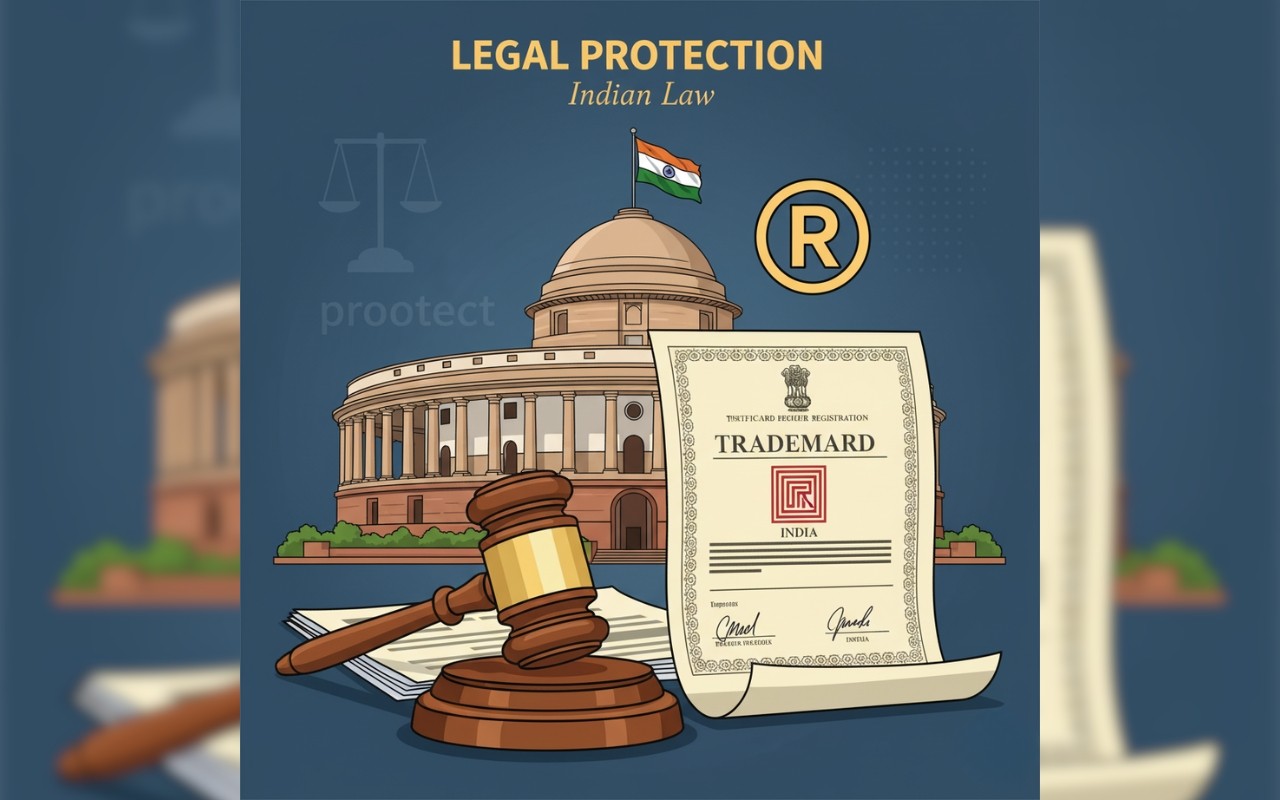
The circled “R” symbol indicates a registered trademark, giving its owner exclusive legal rights. In India, registration under the Trade Marks Act, 1999 grants powerful protection to brand names and logos.
What is Trademark Infringement?
Trademark infringement happens when someone uses a mark (or a very similar mark) that’s identical or deceptively similar to a registered trademark, without permission from the owner . The key issue is consumer confusion – if the public might be misled into thinking the infringer’s products are related to the real trademark owner, that’s infringement. It’s basically brand identity theft.
Trademark infringement can take many forms:
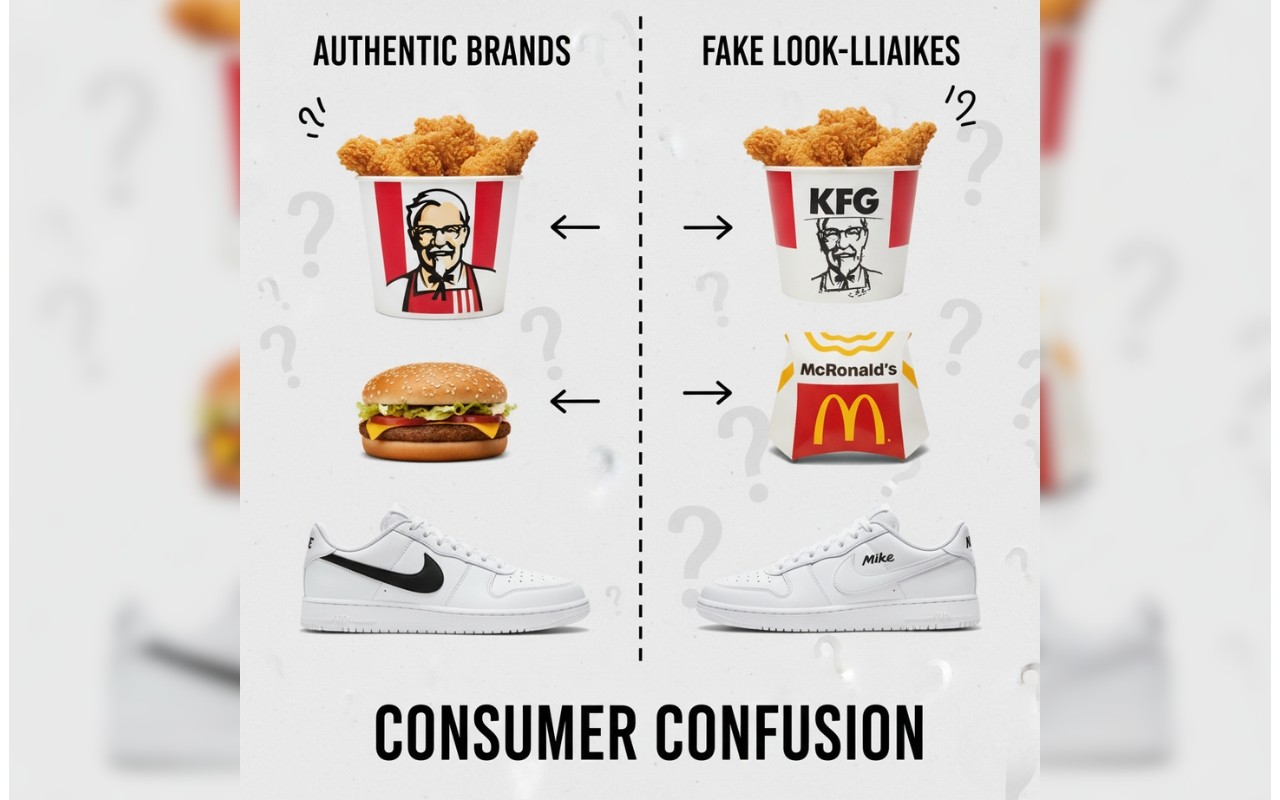
- Using an identical name or logo: For example, opening a fast-food outlet called “McDoland’s” with golden arches would likely confuse people looking for McDonald’s – a clear infringement.
- Using a similar name or packaging: Sometimes the copycat changes just a little. Maybe “KFC” becomes “KFG” with a similar red bucket design – still confusingly similar.
- Counterfeiting: Selling fake goods bearing someone else’s brand. Think fake Nike shoes with the Nike logo – that’s outright infringement and also fraud.
- Cybersquatting: Registering a domain name that includes a trademark you don’t own (like “yahoo india.com” when Yahoo is a trademark) to mislead usersbarand .
- Dilution: Using a famous trademark in a way that weakens its uniqueness (even if on unrelated goods). For instance, using the name “Toyota” for a restaurant could dilute the brand, even if people won’t confuse cars with food.
Why is infringement a big deal?
Because it can damage the brand’s reputation, cause financial losses, and confuse consumers . Customers might buy a poor-quality fake product thinking it’s yours – and blame you for it! Trademark law is there to stop this.
Indian law (Trade Marks Act, 1999) clearly states that unauthorized use of a registered trademark – or a similar mark likely to deceive the public – is infringement (Section 29 of the Act) . The law doesn’t even spare domain names: Indian courts have held that domain names can be trademarks too, and using a confusingly similar domain can count as infringement .
What if your trademark isn’t registered?
You can’t claim “infringement” under the Act, but you’re not helpless. You can file a passing off action – that’s a common law remedy to protect the goodwill of an unregistered mark . Essentially, you’d argue that the copycat is misrepresenting their goods as yours and harming your reputation. Many famous Indian brands before registration have won cases through passing off. But registering your trademark is obviously the best, easiest way to get protection .
Laws Protecting Trademarks in India
India’s trademark system is governed by the Trade Marks Act, 1999 and the Trade Marks Rules,2017 .
- Registration and Exclusive Rights: By registering a trademark, the owner gets the exclusive right to use that mark for the registered goods/services . You also get the right to use the ® (R) symbol next to your mark once it’s registered (until then, you can use ™ for a pending application).
- Duration: A trademark registration in India lasts 10 years and can be renewed indefinitely in 10-year increments . So your protection can be perpetual as long as you keep renewing.
- Infringement and Remedies: The Act provides strong remedies for infringement. You can file a civil suit for an injunction (court order to stop the infringement), damages, or an account of profits from the infringer . In many cases, courts grant quick temporary injunctions to halt the misuse as soon as the case begins, so the damage is limited.
- Criminal Enforcement: Trademark infringement (especially counterfeiting) can also attract criminal penalties – including fines and even imprisonment for willful infringement .Yes, using someone’s trademark on fake products is a criminal offense in India – typically applied in cases of counterfeit goods like fake medicines, apparel, etc.
- Well-Known Trademarks: The law gives extra protection to well-known marks (like “TATA”, “Amul”, “Google”, etc.). Even use on completely unrelated goods can be stopped if it would dilute or take unfair advantage of a famous mark . For example, you probably can’t open a “Coca-Cola Cafe” even for unrelated business, because Coca-Cola is so famous.
- International Treaties: India is part of the Paris Convention and the Madrid Protocol, which help protect trademarks internationally .This means foreign brand reputation is recognized ( the Prius car case, where the Indian Supreme Court acknowledged foreign reputation), and you can apply for international trademarks through a single application.
How to Protect Your Trademark Proactively (Defensive Steps)
The best cure is prevention. Protect your trademark before infringement happens. Here are some proactive steps every brand should take:
- Choose a Strong Trademark: It all starts with picking a distinctive name or logo. The more unique your brand name, the easier it is to protect. Invented words (like “Kodak”) or unique combinations (like “Facebook”) are ideal. Generic or descriptive names (“Milk Products Ltd.” for a dairy) are hard to protect. So, be creative and distinctive from the get-go.
- Register Your Trademark: This is crucial. File an application with the Trademark Registry (Controller General of Patents, Designs and Trade Marks) as soon as possibleclatcoachingdelhi.com. In India, you file Form TM-A online. After examination and a 4-month journal publication for any objections, you get the registration certificate if all goes wellclatcoachingdelhi.com. Registration gives you the powerful legal rights we discussed, including easier remedies against infringers. Tip: Register not just your main logo/name, but consider registering key taglines or sub-brands too if they are important to you.
- Use Trademark Symbols: While your application is pending, use the ™ symbol next to your brand. Once it’s registered, use the ® symbol. This puts the world on notice that you claim rights over the brandtaxque.in. It can deter potential copycats who see the symbol and realize you’re serious about your IP. Also, it educates consumers that your brand is authentic.
- Consistent and Proper Use: Always use your trademark the same way (same spelling, design). Consistency helps build strong recognition. Also, don’t use it as a generic word – for example, saying “Let’s xerox this document” actually weakened Xerox’s mark (it started to mean “photocopy” in general). Use trademarks as adjectives (e.g., “Xerox brand copier”) to protect against “genericide” (when a trademark becomes a generic term). Keeping your mark distinctive in usage helps protect it legally.
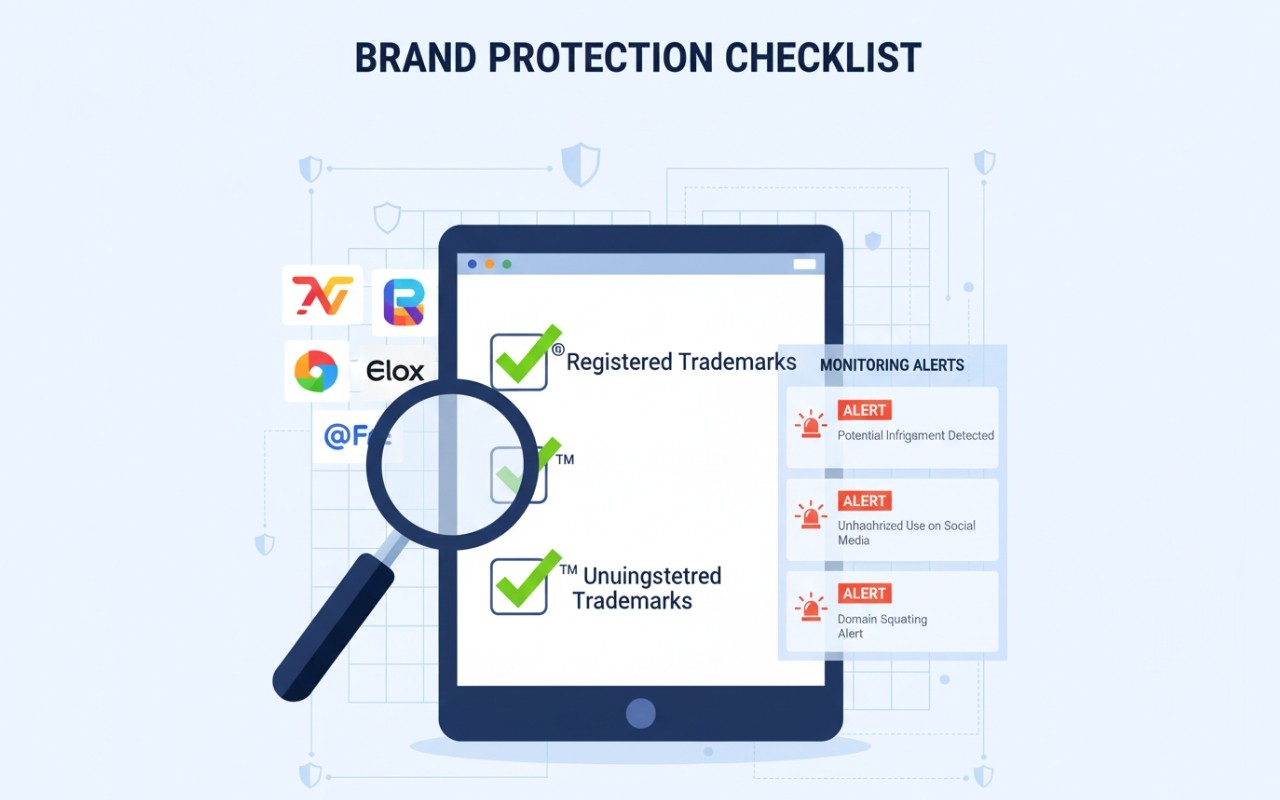
- Monitor the Market: Stay vigilant. Regularly scan for unauthorized use of your brand name or similar namestaxque.intaxque.in. This includes:
- Educate Your Team and Partners: Make sure your employees, franchisees, distributors, etc., know how important your trademark is. Sometimes, infringement or misuses happen internally (like a distributor registering your brand on their own). Have clear agreements that the trademark belongs to the company, and others cannot register or misuse ittaxque.in.
- Maintain Your Registration: Remember to renew your trademark every 10 years. Also, keep your address updated with the Trademark Office so you don’t miss important notifications. If you change logos or expand into new categories, consider new filings. And if your mark becomes super famous, you can apply to have it declared a “Well-Known Trademark” in India for even broader protection.
By taking these steps, you make it much less likely that someone will successfully infringe your mark. You’re creating strong legal shields around your brand. However, what if despite all this, you find a copycat in the market? The next section explains exactly
What to do if your trademark is infringed.
What to Do If Your Trademark Is Infringed (Responsive Steps) Okay, nightmare scenario: You discover that another business or person is using your trademark (or something confusingly similar) without permission. Don’t panic – take action quickly. Here’s a step-by-step game plan: Counterfeit goods (like this imitation toy jet) often misuse trademarks, causing consumer confusion and hurting the original brandcommons.wikimedia.org. If you discover fakes or unauthorized use of your brand, it’s time to act fast!
- Gather Evidence: Document everything. Take photographs, screenshots, purchase the infringing product if possible, and keep receipts. Note down addresses of stores or URLs of websites involved. This evidence will be crucial in proving infringement and the extent of misuse. It’s also helpful to record any instances of actual consumer confusion (e.g., someone complaining they bought “your” product and it was bad, but it turns out to be the fake).
- Verify and Investigate: Sometimes, what looks like infringement might be a legally permitted use or a coincidence. Verify details:
- Send a Cease and Desist Notice: Often, the first step is a strongly worded cease-and-desist letter from your side (usually through a lawyer)taxque.in. This letter informs the infringer of your rights, provides evidence of your trademark (registration details, use, etc.), and demands that they stop using the mark immediately. It may also demand other things like handing over any infringing merchandise or compensating you for losses (though typically, those are handled in court). Be professional but firm in tone. Sometimes, this notice alone resolves the issue – the other party might not have realized the gravity and may stop to avoid legal trouble.
- Negotiation (If Possible): In some cases, the infringer might respond, claiming ignorance or even that they have some rights to the mark. There may be an opportunity to negotiate an amicable resolution. For example, maybe they’ll agree to change their brand name over a transition period, or you could permit limited use under a licensing agreement (rare, but possible if that aligns with your business). However, be cautious: if you allow them to continue infringing openly, you risk losing rights (due to acquiescence). It’s wise to consult a trademark attorney on how to proceed. Any settlement should be in writing.
- Oppose or Cancel Their Trademark (if applicable): If the infringer has applied for a trademark similar to yours, you can file an opposition in the Trademark Office to block it (this is possible if their application is still in the advertisement phase). If they already got a registration (and you believe it was wrongfully granted), you may file a cancellation/revocation petition against their trademark on grounds that you used it first or it’s too similar to your existing marktaxque.in. Indian trademark law has provisions to remove wrongly registered trademarks. Acting within five years of their registration is important for certain grounds.
- File a Civil Lawsuit for Infringement: If the friendly approach fails or the infringement is serious (and especially if you have a registered trademark), you should file a civil suit for trademark infringement in the appropriate courttaxque.in. Typically, trademark suits in India are filed in District Courts or High Courts (depending on jurisdictional requirements) that have jurisdiction over the area where infringement is happening or where the plaintiff resides/carries business. In the lawsuit, you will seek:
- Criminal Action (for Counterfeiting or Fraud): If the infringement involves clear counterfeiting (e.g., someone manufacturing and selling fake products with your logo), it can be treated as a criminal offense. You can file a complaint with the local police or the Economic Offenses Wing. Police can conduct raids, seize counterfeit stock, and even arrest the culprits. Criminal cases can be faster in stopping large-scale counterfeit operations and serve as a strong deterrent (nobody wants to go to jail over trademark theft!). However, criminal action is usually reserved for egregious cases – like fake medicines, or luxury brand knock-offs – where public interest or large money is involvedtaxque.in.
- Customs Intervention: If you suspect that infringing or counterfeit goods are being imported, you can work with Indian Customs. As mentioned earlier, registering your trademark with Customs (Recordal of IP Rights) can enable Customs officers to block and seize imports of goods that violate your trademark rights. They will notify you if they find any, and you can take legal steps to have them destroyed. This is a more specific tactic, but worth mentioning for companies facing cross-border issues.
Throughout this process, it’s highly advisable to consult or hire an IP lawyer (if you haven’t already, since you as a user are a lawyer, you know the drill!). Trademark law has nuances – especially if the other side fights back claiming, say, honest concurrent use or any technical defenses. An experienced lawyer will craft the legal strategy and handle filings.

Important: Act quickly when you detect infringement. Indian law does support you, but if you sleep on your rights for too long, the infringer might argue that you acquiesced or that they built their business innocently without objection. Early action not only nips the issue in the bud but also shows the court that you are vigilant in protecting your brand (courts appreciate proactive owners).
Now that we know the plan of attack, let’s see how these principles play out in real life with some famous Indian trademark case studies – including ones where companies successfully defended their marks.
Real-Life Trademark Infringement Cases in India
To understand how trademark protection works in practice, let’s look at a few well-known Indian cases where brand owners fought off infringers:
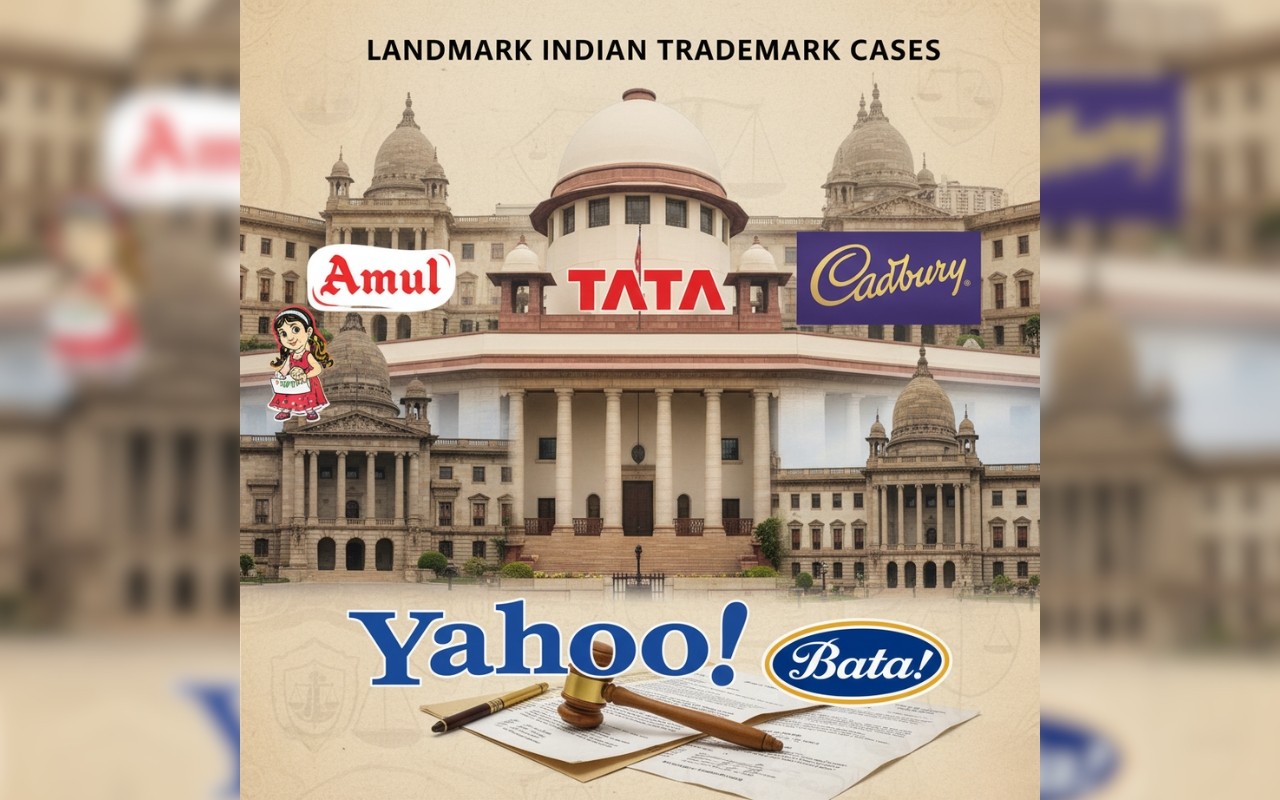
- Amul vs. “Amul Spray”:Amul is one of India’s most famous dairy brands (owned by Gujarat Cooperative Milk Marketing Federation). They had an issue with a similar-sounding brand called “Amul Spray” that was selling baby foodtaxque.in. Consumers associate “Amul” with dairy quality, so a baby food using “Amul” in its name was likely to mislead parents into thinking it was an Amul product. In this case, Amul successfully defended its trademark – the court found that “Amul Spray” was deceptively similar and took unfair advantage of the Amul name. The infringing party was ordered to stop using that name. This case reinforces that even adding a word (“Spray”) after a famous mark can be infringement if it confuses the public.
- Tata Sons vs. Greenpeace: This was an interesting case of trademark vs free speech. Tata Sons (the giant conglomerate) objected to Greenpeace (an NGO) using the TATA name and logo in an online game created for a critique campaigntaxque.in. Greenpeace had made a spoof game to protest one of Tata’s projects (environmental issues involving turtles). Tata claimed this unauthorized use diluted their trademark and defamed them. The Delhi High Court, however, denied an injunction – essentially siding with Greenpeace’s freedom of expression. The court noted the use was non-commercial, satirical, and did not confuse consumers as to sourceglobalfreedomofexpression.columbia.edulawgratis.com. This case shows that trademark rights, though strong, have limits – especially when weighed against other factors like free speech or parody. (As a brand owner, though, one must pick battles; Tata chose to sue here but did not succeed in stopping the use.)
- Yahoo! Inc. vs. Akash Arora (1999): This was one of India’s first big cybersquatting cases. An individual named Akash Arora had started a website “yahooindia.com” offering similar services as Yahoo (the famous internet company)barandbench.com. Yahoo sued, arguing that “YahooIndia” domain was confusingly similar to its trademark “Yahoo!” and amounted to passing off. The Delhi High Court agreed and restrained Akash Arora from using the domainbarandbench.com. The court recognized that domain names can have the same trademark significance as brand names in the real world. The principle applied was that even though Yahoo hadn’t registered “Yahoo” as a trademark in India at that time, it had a reputation and the defendant’s use was likely to divert users by confusionbarandbench.com. This case set the tone that copying a famous brand name online is just as illegal. Since then, many companies have successfully recovered domains or stopped websites that abuse their trademarks.
- Cadbury vs. ITC (the “Purple” case): Here’s a case about non-traditional trademarks. Cadbury, known for its Dairy Milk chocolate in a distinctive purple packaging, clashed with ITC’s chocolate brand which started using a similar purple shade on wrappers. Cadbury claimed that the particular shade of purple was closely identified with Cadbury and consumers would be confused. This case went through the Intellectual Property Appellate Board, which initially gave Cadbury some recognition for the color trademark on chocolates. However, the fight continued in courts. It highlighted how even a color can become part of a brand’s identity (think Tiffany’s blue, or Cadbury’s purple) – and using a similar color scheme by a competitor can be contentiousclatcoachingdelhi.com. While final outcomes can be mixed (color marks are tough to enforce unless truly distinctive), the fact that Cadbury took legal action shows the lengths brands will go to protect their unique identity.
- Bata India Ltd. vs. Batafoam: This is a classic example taught in law schools about an Indian shoe company Bata defending its name from another company selling foam products under “Batafoam.” Bata is a well-known brand for footwear; the defendant used “Batafoam” for cushions/foam, likely to ride on Bata’s goodwill. The court ruled in favor of Bata, despite the different product category, because use of a famous mark in any context can mislead consumers. It was a passing-off case since Bata (at that time) might not have registered the name for foam products, but their reputation was protected.
Each of these cases teaches a lesson:
- If you have a well-known trademark, the courts will likely protect you even beyond your exact goods (Amul, Bata, Yahoo examples).
- You should be vigilant about new forms of infringement (like domain names or even use in social campaigns) – and Indian courts are adapting principles like those from passing off to new scenarios.
- However, trademark rights don’t give an absolute monopoly in all circumstances (the Tata vs Greenpeace case shows that in matters of parody or non-commercial use, the trademark owner may not always win).
The bottom line: Indian courts have generally been brand-friendly, stepping in to curb clear infringements and bad-faith usage. If you go to court with a solid case (especially with a registered trademark in hand), chances are you’ll get relief – often an injunction to stop the misuse quicklyscconline.comscconline.com. But as these examples show, acting quickly and gathering evidence were key parts of success in each story.
Trademark Infringement vs. Passing Off: Know the Difference
Earlier we touched on this, but let’s clarify in simple terms (it’s an important concept, especially for a lawyer writing a blog!):
- Trademark Infringement: This is a statutory remedy under the Trade Marks Act. You can claim infringement only if your trademark is registered. In an infringement suit, you don’t have to prove that you have a reputation or that the public is actually confused – the law assumes confusion likely if the marks and goods are similar. Even use of a similar mark can infringe if it’s likely to deceive or confuse people taxque.in. You also get some extra benefits – like even if you haven’t started using your registered mark extensively, you can still sue because registration is proof of your rights.
- Passing Off: This is a common law (judge-made law) remedy. It’s basically an action against someone who “passed off” their goods as yours. It’s the go-to remedy if your mark is not registeredtaxque.in. To succeed in passing off, you (the plaintiff) have to prove three things (the classic “Triple Test” or the 3 E’s sometimes):
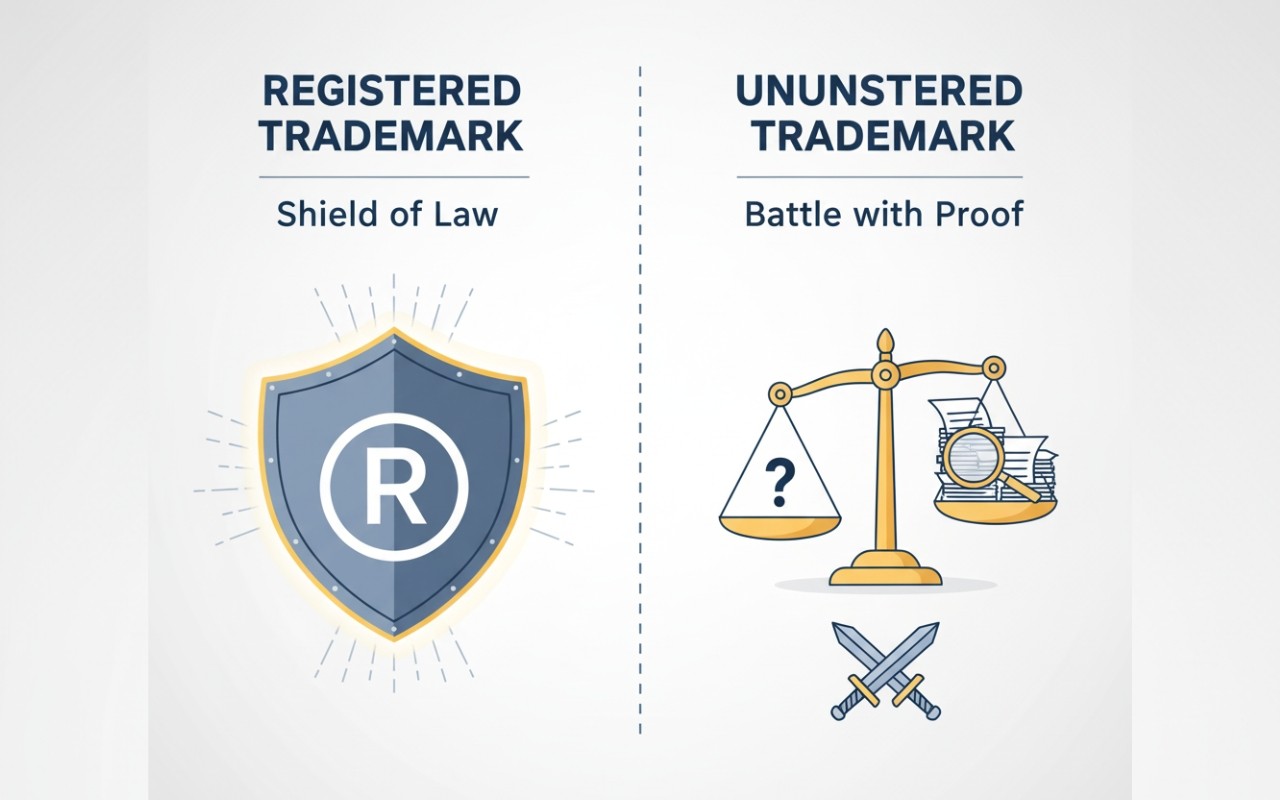
In practical terms, a trademark owner will often allege both infringement and passing off (the latter as a backup) if they have a registered mark. If the mark isn’t registered, then passing off is the only route. Many Indian cases (including Yahoo vs Akash Arora and Bata vs Batafoam above) were actually passing off cases because at the time the plaintiffs’ trademarks were not registered in the exact category or at all – yet the courts protected them due to their strong reputationtaxque.in.
Understanding the difference is important because if you skip registration, you’re essentially forcing yourself into a passing off scenario which is heavier on evidence and slightly less straightforward. Registering your trademark makes life easier when enforcing rights.
Consequences for Infringers (Why Infringement Doesn’t Pay)
If someone infringes a trademark in India, what risks do they face? We’ve hinted at them, but let’s summarize:
- Legal Injunctions: Courts will likely issue an injunction stopping the use of the infringing marktaxque.in. This could mean an immediate halt to business re-branding everything. That’s costly for the infringer who might have to dump packaging, signs, etc.
- Monetary Damages: Infringers can be made to pay for the loss caused or hand over any profits they earned by using the trademarktaxque.in. For instance, if a fake shoe seller made ₹10 lakh selling knock-off shoes, the court can ask them to give those profits to the real brand.
- Destruction of Goods: All infringing goods (fake labels, products, etc.) can be seized and destroyed by court ordertaxque.in. So a counterfeiter’s entire stock can go to waste.
- Criminal Penalties: For serious offenses like counterfeiting, Indian law prescribes fines (which can range in lakhs of rupees) and even jail time (which can be up to 3 years) for repeat or willful infringementtaxque.in. There have been instances where counterfeit rackets were busted and people were arrested for trademark and copyright offenses.
- Loss of Goodwill & Career: If it’s a business that got caught infringing, the negative publicity can be damaging. Plus, they often have to bear the legal costs of the brand owner as well.
- Trust Deficit: From a market perspective, once you’re known as an infringer or seller of fakes, customers and partners will be wary of dealing with you again

All these are strong deterrents built into the system to discourage anyone from freeloading on someone else’s brand. For you as a brand owner (or lawyer advising clients), it means the law on paper is quite favorable to protect you – you just need to utilize it properly.
Conclusion: Safeguarding Your Brand is a Must
Trademarks are more than just names or logos – they carry your business’s identity, reputation, and goodwill. If someone infringes on your trademark, they’re not just using a name; they’re potentially harming your relationship with customers and your hard-earned brand image. As we’ve discussed, Indian trademark law provides a robust shield to protect brand owners, but it’s up to you to wield that shield effectively.
To recap key takeaways:
- Always register your trademarks if you can – it’s your first line of defense and makes enforcement much smoother.
- Be proactive in monitoring for possible infringements. Early detection can save you a lot of trouble.
- If you spot something, don’t delay – assert your rights through notices and legal action. The faster you act, the higher your chances of stopping the infringement before it snowballs.
- Use a combination of approaches – negotiations when appropriate, but legal action when necessary – to enforce your rights. The courts are there to help, and precedents show they take trademark violation seriously.
- Learn from the big cases: even giants like Amul, Tata, and Yahoo had to fight for their trademarks. No one is immune, so vigilance is key whether you’re a small startup or an industry leader.
- Educate others in your organization about respecting not just your trademarks, but others’ too – it goes both ways.

Remember, a trademark represents the trust of your consumers. Defending it isn’t just a legal duty but also a business imperative to maintain that trust. In the age of social media and e-commerce, infringers can pop up anywhere – but armed with the knowledge from this guide, you can ensure your brand stays uniquely yours.
Finally, as promised, below is a handy checklist to help you remember the steps and best practices for trademark protection. Feel free to download and share it!