
A brand name is not just a name. It is the face of your business.
Think about a small food brand from Chennai, a clothing startup from Tiruppur, a software company from Coimbatore, or a home-based beauty brand from Madurai. The name, logo, label, tag line, and product identity help people remember the business. Customers may forget the owner’s name, but they remember the brand name.
That is why trademark protection is very important.
Many business owners apply for trademark registration and feel relaxed. But after some time, they see one of these words on the trademark portal:
Objected or Opposed
This can create fear and confusion. Some people think their trademark is rejected forever. Some people ignore it and lose their application. Some business owners do not even know the difference between a trademark objection and a trademark opposition.
This blog explains everything in simple English.

What Is a Trademark?
A trademark is a legal identity for your brand.
It can be a:
- Brand name
- Logo
- Product label
- Tag line
- Word mark
- Symbol
- Shape of packaging
- Combination of colours, in some cases
For example, if you run a snacks brand, your brand name and logo help customers identify your product in shops, supermarkets, Instagram pages, and online marketplaces.
When your trademark is registered, it gives you stronger legal protection. It helps you stop others from using a same or confusingly similar name for similar goods or services.
In India, trademarks are governed mainly by the Trade Marks Act, 1999. The Act also explains grounds where a mark may be refused, such as marks that are not distinctive or marks that may confuse people because of similarity with earlier marks.
Why Brand Name Protection Matters for Tamil Nadu Businesses
Today, many businesses in Tamil Nadu are growing through Instagram, websites, Amazon, Flipkart, WhatsApp marketing, and local distributors. A brand can become known very fast.
But there is one risk.
If your brand name is not properly protected, another person may use a similar name. Sometimes, they may even file a trademark before you. This can create serious problems later.
You may face issues like:
- Customer confusion
- Loss of business name
- Legal notice from another brand
- Delay in product launch
- Trouble with online marketplaces
- Difficulty in franchise or dealership plans
- Problem while raising investment
- Rebranding cost
For startups, small businesses, family businesses, and growing companies, trademark protection is not only a legal step. It is a business safety step.
Trademark Objection and Trademark Opposition: Are They Same?
No. They are not the same.
This is where many people get confused.
A trademark objection comes from the Trademark Registry. It is raised by the trademark examiner during the examination stage.
A trademark opposition comes from a third party. It can be filed by another person, company, competitor, or brand owner after your trademark is published in the Trademark Journal.
So, in simple words:
Objection means the Trademark Office has raised a question.Opposition means another party is challenging your trademark.
Both are serious. But both can be handled with proper legal reply, documents, and strategy.
What Is a Trademark Objection?
A trademark objection is an official concern raised by the trademark examiner.
After you file your trademark application, the Trademark Registry checks your application. If the examiner finds a legal issue, they issue an examination report. The applicant has to reply within the given time. The official Trade Marks Registry process says office objections need to be replied to within 30 days from receipt of the examination report, and the SOP also mentions that failure to reply within one month can lead to abandonment.
That means you should not delay.
A trademark objection does not mean your trademark is finished. It only means you must explain why your trademark should be accepted.
Common Reasons for Trademark Objection
Trademark objection usually happens for a few common reasons.
1. The Name Is Too General
If your brand name simply describes the product, it may be objected.
Example:
If a rice brand applies for the name “Best Rice”, the Registry may say it is too common. It does not clearly separate one business from another.
A strong trademark should be unique. It should not be only a common word used by everyone in the same business.
2. The Name Describes the Quality
Words like “fresh”, “pure”, “super”, “best”, “organic”, or “premium” may be weak if used alone.
For example, a juice brand named only “Fresh Juice” may face difficulty because many sellers can use the word “fresh”.
3. Similar Name Already Exists
This is one of the most common reasons.
If your brand name sounds similar or looks similar to an earlier trademark in the same class, the examiner may raise an objection.
Example:
If there is already a registered brand called “Nila Foods”, and another person applies for “Neela Foodz” for similar food products, the Registry may question it.
4. Wrong Trademark Class
Trademark applications are filed under different classes based on goods or services.
For example:
Food products come under certain classes. Clothing comes under another class. Legal services, education services, software services, and healthcare services may come under different classes.
If the class is wrong or the description is not clear, it can create problems.
5. The Mark May Confuse the Public
If the name, logo, or wording may mislead people, the Registry can object.
Example:
A local product using a name that makes people think it is connected with a famous brand may face an objection.

What Should You Do After a Trademark Objection?
First, do not panic.
Second, do not ignore it.
A good trademark objection reply should explain why your mark is legally fit for registration. It should answer the examiner’s points clearly.
A proper reply may include:
- Meaning of the brand name
- How the brand is unique
- Difference between your mark and cited marks
- Business details
- Product or service details
- Proof of use, if available
- Invoices, website screenshots, packaging, social media pages
- Legal points under trademark law
- Case-based reasoning, where needed
After the reply is filed, the Registry may accept the mark and publish it in the Trademark Journal. In some cases, the matter may go for a show cause hearing. During the hearing, the applicant or authorised representative can explain the case before the officer.
The important point is simple: a trademark objection can often be solved if the reply is clear, timely, and supported by documents.
What Is a Trademark Opposition?
Trademark opposition happens after the trademark is accepted and published in the Trademark Journal.
At this stage, the public gets a chance to object to the registration. A third party may feel that your mark is similar to their brand or may affect their business rights.
Under Section 21 of the Trade Marks Act, 1999, any person may file opposition within four months from the date of advertisement or re-advertisement of the application. The applicant must then file a counterstatement within two months from receiving the notice of opposition, failing which the application may be treated as abandoned.
So, opposition is more like a legal fight between two sides before the Trademark Registry.
Simple Example of Trademark Opposition
Let us say a business in Chennai files a trademark for “Aaraa Herbals” for beauty products.
Another company already using “Aara Herbals” for similar products may file an opposition after seeing the mark in the Trademark Journal.
Their argument may be:
“Our brand is already in use. The new mark is very similar. Customers may get confused.”
Now, the applicant must defend the trademark. They may have to show that the brand is different, honestly created, used in a different manner, or not likely to confuse customers.
This is where legal drafting, evidence, and strategy become very important.
Trademark Objection vs Trademark Opposition: Simple Difference
PointTrademark ObjectionTrademark OppositionWho raises it?Trademark examinerThird partyWhen does it happen?After filing, during examinationAfter publication in Trademark JournalMain issueRegistry has legal concernsAnother person challenges the markReply needed?Yes, objection replyYes, counterstatement and evidenceRisk if ignoredApplication may be abandonedApplication may be abandoned or refusedNatureOffice actionLegal proceeding before Registry
Why You Should Not Ignore Trademark Status
Many business owners file a trademark and forget about it. This is risky.
You must regularly check the trademark application status. Some common statuses are:
Formalities Chk Pass This means basic filing details are checked.
Marked for Exam The application is waiting for examination.
Objected The examiner has raised an objection.
Accepted and Advertised The mark is accepted and published in the Trademark Journal.
Opposed Someone has filed opposition.
Registered The trademark registration process is complete.
If your status says Objected or Opposed, you must act quickly. Delay can affect your rights.
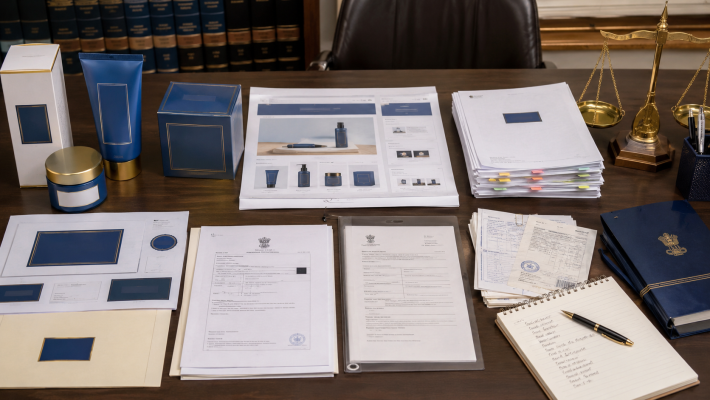
Documents That Help in Trademark Objection or Opposition
Documents can make your case stronger.
Useful documents may include:
- Business registration certificate
- GST certificate
- Invoices
- Product packaging
- Website screenshots
- Social media page screenshots
- Advertisement materials
- Brochures
- Photos of shop board or product display
- Distributor documents
- Proof of first use
- Logo design proof
- Brand story or name meaning
- Customer reach proof, if available
For businesses in Tamil Nadu, even local proof can be useful. For example, bills from Chennai, Coimbatore, Madurai, Salem, Tiruppur, Trichy, or other places can show that the brand is actually used in trade.
How to Choose a Strong Brand Name Before Filing Trademark
A strong brand name can reduce the chance of objection and opposition.
Before choosing a name, keep these points in mind.
Pick a Unique Name
Do not choose a name that is too common in your industry.
Instead of choosing a direct word like “Healthy Snacks”, try a more unique name that can become your own brand identity.
Do a Trademark Search
Before filing, search if similar marks already exist.
A proper search should not only check exact names. It should also check similar spelling, similar sound, same class, connected business categories, and famous marks.
Avoid Copying Famous Brands
Changing one letter or adding one extra word may not save your mark.
For example, if a famous brand already exists, using a similar sound or look can create legal trouble.
Choose the Right Class
Trademark class matters a lot.
If you file under the wrong class, your protection may not cover your real business. If your business has more than one activity, you may need filing in more than one class.
Keep Proof from Day One
Save invoices, logo files, product photos, launch posts, domain purchase records, and packaging designs. These may help later.
Trademark Protection for Startups and Small Businesses
Many startups think trademark registration can be done later. But brand problems usually happen when the business starts growing.
A small brand may suddenly become popular on Instagram. A food product may get distributor interest. A clothing brand may receive bulk orders. A service business may open a second branch. At that time, if another person copies the name, the owner may struggle.
For startups and small businesses, trademark protection should be part of the early business plan.
It is better to protect the brand before spending money on:
- Packaging
- Website
- Logo design
- Digital marketing
- Hoardings
- Franchise plan
- Export plan
- Marketplace listing
A trademark issue after business growth can be costly. Sometimes, the business may need to change its name, redesign packaging, update website, and rebuild customer trust.
Legal assistance in this area
IFF Law Attorney assists individuals, startups, firms, and companies in legal matters connected with litigation and non-litigation work. For trademark-related matters, legal support may include trademark search, application review, objection reply, opposition handling, document preparation, legal notice, and business retainership support.
For many business owners, trademark is not a one-time filing. It is part of long-term brand protection. A business may need regular legal support for agreements, vendor issues, partnership documents, franchise plans, employment terms, website policies, legal notices, and dispute handling.
That is why retainership can be useful for growing businesses. Instead of waiting for a problem to become big, businesses can get regular legal guidance for day-to-day decisions.
What Happens After Trademark Registration?
Once a trademark is registered, the work is not over.
You should:
- Use the trademark properly
- Keep renewal dates in mind
- Watch for similar brand names
- Take action against copying
- Keep records of business use
- Update ownership details if business structure changes
- Renew the trademark on time
A registered trademark is valid for 10 years and can be renewed for further 10-year periods.
So, trademark protection is a long-term business asset.
Final Thoughts
A trademark objection or opposition is not the end of your brand journey.
But it is a warning sign that needs proper action.
If you receive a trademark objection, reply within time with clear legal reasons and proof. If your trademark is opposed, treat it seriously because it is a legal challenge from another party.
For Tamil Nadu businesses, brand protection is now more important than ever. Whether you run a local shop, food brand, textile business, software company, online store, clinic, consultancy, or manufacturing unit, your brand name has value.
Protecting that name is not only a legal step. It is a smart business step.

Suggested FAQ Section
1. Is trademark objection the same as trademark rejection?
No. Objection is not final rejection. It means the Trademark Registry has asked for clarification or legal explanation. You must file a reply within the given time.
2. What is the time limit for trademark objection reply in India?
The reply should be filed within the allowed period after receiving the examination report. As per the official process, office objections need to be replied to within 30 days from receipt of the examination report.
3. Who can file trademark opposition in India?
Any person can file trademark opposition within the allowed time after the trademark is advertised in the Trademark Journal. Section 21 of the Trade Marks Act gives four months from advertisement or re-advertisement.
4. Can a small business protect its brand name?
Yes. Small businesses, startups, shops, online sellers, service providers, and manufacturers can apply for trademark registration if the mark is legally acceptable.
5. What happens if I ignore trademark opposition?
If you ignore opposition and do not file the required response, your trademark application may be treated as abandoned. This can affect your brand protection.
Disclaimer
This blog is for general legal awareness only. It should not be treated as legal advice or a substitute for professional consultation. Trademark matters depend on facts, documents, class, prior use, and legal grounds. For specific guidance, please consult a qualified legal professional.