

An unpaid invoice is not merely an accounting entry. It can interrupt salaries, supplier payments, tax commitments, working capital and the confidence needed to accept the next order. For many Indian businesses, the first instinct is to keep calling the customer and wait for a promise to become a payment. That may preserve the relationship for a while, but delay can also weaken records, blur disputed facts and reduce practical recovery options.
The better approach is calm, evidence-led and proportionate. Start by identifying what is genuinely owed, preserve the commercial trail, communicate clearly, and then choose the legal route that fits the transaction. A delayed payment backed by a purchase order is different from a bounced cheque. A claim by a registered micro or small enterprise may follow a different pathway from a general contractual debt. A customer who disputes quality also needs a different response from one who simply ignores every reminder.
Quick answer: To recover unpaid business dues in India, first reconcile the account and preserve the contract, invoices, delivery proof and communications. Send a structured demand, consider a formal legal notice, and evaluate the remedies that actually apply—such as MSME delayed-payment proceedings, cheque-bounce action, arbitration, a commercial or civil recovery claim, or a negotiated settlement. The correct route depends on the documents, status of the parties, payment instrument, dispute clause, amount and limitation position.
Why business payment recovery should begin before a default
The strongest recovery file is created while the sale is being made. A quotation alone may not answer when payment becomes due, what counts as acceptance, who may approve a change, how defects must be reported, or where disputes will be resolved. When these questions are left open, a customer can later claim that the work was incomplete, the price changed, or the person who confirmed delivery had no authority.
A practical credit-control process should therefore connect sales, operations and finance. Before dispatching goods or starting major work, confirm the legal name of the customer, billing address, tax details, authorised contact, purchase order, credit period, delivery milestones, interest clause if agreed, and dispute-resolution terms. For repeat customers, review ageing and credit limits rather than allowing goodwill to create an uncontrolled exposure.
Good documentation does not signal distrust. It protects both sides by recording what was promised and how completion will be recognised.
Step 1: Build a complete unpaid-invoice evidence file
Before sending a forceful demand, reconcile the account. A legal notice that states the wrong amount or ignores a valid credit note can damage credibility. Prepare a short chronology that another person can understand without explanation.
• Contract, work order, purchase order, quotation and accepted commercial terms
• Invoices, tax records, account statements, debit or credit notes and payment history
• Delivery challans, goods-received notes, e-way records, completion certificates or email approvals
• WhatsApp messages, emails, meeting minutes and recordings that were lawfully created and preserved
• Proof of reminders, acknowledgements, part-payments and promises to pay
• Cheque, bank-return memo or other failed payment evidence, where relevant
• Customer complaints and the response, including rectification or replacement records
Keep original electronic files where possible. Screenshots can be useful, but exported emails, properly retained chat histories, signed documents and system records may provide better context. Do not edit a message thread or create a backdated document. If electronic evidence may become important, ask a lawyer how it should be preserved and produced.
Step 2: Separate a true dispute from a payment delay
Recovery becomes faster when the real obstacle is identified. Some customers have a temporary cash-flow problem. Some want a reconciliation. Some raise a genuine performance issue. Others create vague complaints only after repeated reminders.
Ask the customer to state any dispute in writing and identify the invoice line, quantity, delivery, defect or contractual clause involved. Respond with documents, not emotion. If a small portion is disputed, request payment of the admitted balance. If the claim can be commercially resolved through replacement, a revised milestone or a short instalment plan, record that settlement clearly and state what happens after a missed instalment.
A without-prejudice negotiation may help parties explore settlement, but the wording and legal effect should be considered with counsel. Do not casually waive interest, rights or security merely to obtain another promise.
Step 3: Send a firm commercial demand before escalation
A good demand is concise. It identifies the transaction, invoices, due dates, outstanding principal, contractual basis and a reasonable deadline. It attaches the account statement, names one person for reconciliation and says what action may follow if the default continues. Avoid threats that are unrelated to the lawful remedies available.
Send the demand through the contractually agreed channel and to the correct entity. Copy the customer’s finance and authorised business contacts where appropriate. Retain delivery and read records. A call can follow, but the written trail should show the proposal and response.
If the account is commercially important, the demand can offer two controlled choices: immediate payment or a documented settlement with dates, security and consequences of default. Endless informal extensions generally create more uncertainty.
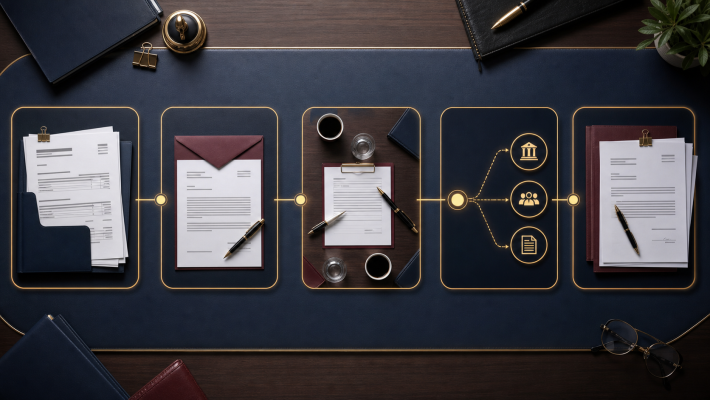
Step 4: Understand what a legal notice can—and cannot—do
A legal notice is a formal statement of the claimant’s position and demand. It can organise the facts, demonstrate seriousness, invite a final settlement and create a clear record before proceedings. In some routes, a particular statutory notice and timeline may be essential. In others, a notice is strategically useful even if not universally mandatory.
The notice should be drafted around the actual cause of action. A generic template may cite the wrong provisions, demand an unsupported penalty or send the matter to the wrong jurisdiction. Counsel should review the agreement, dispute clause, invoices, communications, legal status of the parties, applicable forum and limitation dates.
A legal notice is not a judgment. It does not itself compel payment, freeze an account or guarantee recovery. Its value lies in accuracy, timing and how well it prepares the next lawful step.
MSME Samadhaan and delayed-payment remedies
The MSME framework can be important where the supplier qualifies as a micro or small enterprise and the transaction meets the statutory requirements. The Government’s MSME Samadhaan portal supports delayed-payment applications that are taken forward to the relevant Micro and Small Enterprises Facilitation Council. Eligibility, registration timing, supply facts, territorial connection, documents and the legal effect of contractual terms should be checked before filing.
Do not assume that every business with an MSME or Udyam reference automatically has the same remedy for every old invoice. Enterprise category, registration history, date of supply, buyer identity and judicial developments can matter. The statutory framework also addresses agreed payment periods and interest consequences, but calculation should be based on the current law and the specific transaction.
Prepare invoice-wise details, supply and acceptance records, correspondence, the buyer’s registered information and a clear computation. Inaccurate bulk claims often create avoidable objections.
Cheque bounce action under Section 138
When a cheque issued toward a legally enforceable debt is dishonoured, Section 138 of the Negotiable Instruments Act may provide a separate remedy. It has strict procedural stages involving presentation, the bank-return information, a statutory demand notice, the drawer’s opportunity to pay and the complaint timeline. Dates and service evidence are critical.
Do not wait until the last day or rely on an online summary to calculate the deadline. Give counsel the original cheque or available banking records, return memo, underlying contract, invoice file and proof of the debt. Questions may arise about who signed the cheque, whether it was issued by a company, whether notices must go to responsible persons, and whether the cheque represented an existing liability.
A bounced cheque does not erase contractual or civil considerations. Counsel can assess how available remedies interact and which sequence is proportionate.
Arbitration, commercial suits and civil recovery
If the contract contains an arbitration clause, the wording, seat, procedure and pre-arbitration steps require review. Arbitration can offer a private adjudicatory route, but it still needs a valid agreement, appropriate notices, evidence and a commercially sensible strategy.
Commercial courts or civil courts may be relevant depending on the nature and value of the dispute, territorial and pecuniary jurisdiction, and applicable procedural law. Summary procedures may sometimes be considered for written contracts, invoices or negotiable instruments, but eligibility is fact-specific. A claimant should also assess the debtor’s actual ability to pay. Winning an order and enforcing it are distinct stages.
Before filing, estimate court or tribunal costs, lawyer time, internal management effort, likely defences, interim-relief needs, enforcement prospects and settlement range. Recovery strategy should be economically rational, not merely reactive.
Limitation: why waiting can be expensive
Legal claims do not remain open forever. The applicable limitation period depends on the cause of action and facts, and calculating it can involve the due date, contract, acknowledgement, part-payment or other events. An informal promise may not protect the claim in the way a business assumes.
Create a limitation tracker as soon as an invoice becomes seriously overdue. Obtain advice early rather than treating the deadline as an end-of-year issue. Negotiation can continue alongside legal preparation, but it should not silently consume the available time.
A practical escalation ladder for unpaid business dues
• Day zero: reconcile the ledger and identify missing documents.
• Commercial follow-up: send an invoice-wise statement and request a written response.
• Dispute diagnosis: isolate admitted, disputed and unsupported amounts.
• Final demand: offer a defined payment or documented settlement window.
• Legal review: check limitation, jurisdiction, dispute clause, MSME status and payment instruments.
• Formal action: send the correct notice and prepare the appropriate forum filing.
• Resolution and enforcement: document settlement security or pursue the order consistently.
Frequently asked questions
Is a legal notice compulsory for every unpaid invoice?
No single answer covers every claim. Some statutory routes have specific notice requirements, while a commercial or civil claim may involve different pre-filing steps. The contract and current procedural law must be checked.
Can WhatsApp messages support a business payment claim?
Chats may be relevant to price, approval, delivery, admissions or promises, but authenticity, completeness and electronic-evidence requirements matter. Preserve the full context and obtain advice on production.
Should a supplier stop further deliveries?
Review the contract, critical obligations, retention-of-title or suspension rights, customer dependency and commercial risk before acting. An abrupt suspension can create a counterclaim if it breaches the agreement.
What is the fastest recovery method?
The fastest route is the one supported by the documents and the debtor’s circumstances. A credible settlement can outperform litigation; in other cases, prompt statutory or court action is necessary. Speed should not replace legal fit.
Turn overdue invoices into a controlled legal process
Payment recovery improves when businesses replace scattered follow-ups with a single verified file, a clear decision-maker and a timed escalation plan. Preserve evidence, address genuine disputes, use notices accurately and select the forum that matches the transaction.
IFF Law Attorney advises and assists businesses on commercial agreements, MSME and corporate issues, banking and finance, arbitration, litigation and related legal proceedings. Early review can help a business understand its options before delay narrows them.
Disclaimer: This article is for general educational information and does not constitute legal advice, advertising or solicitation, and does not create an advocate-client relationship. Indian law, procedure and limitation questions are fact-specific and may change. Obtain advice from a qualified legal professional on your documents and deadlines.