

Imagine this: You have just spent your hard-earned money to buy a beautiful new flat in Tamil Nadu. The painting is done, the furniture is set, and you have moved in with your family. Everything feels perfect. But after a few weeks, a problem pops up. The lift stops working. The security guard leaves. The water tank runs dry. Who is going to fix all this?
This is exactly where an Apartment Owners Association comes in.
If you live in a flat, you are not just living in your own house. You are living in a shared space. And shared spaces need rules, management, and legal protection.
IFF Law Attorney may consider enquiries relating to this topic. The available steps and scope of any engagement depend on the facts, records, applicable law and acceptance of the matter.
To help you, we have written this easy-to-understand guide. Whether you are a first-time home buyer, a senior citizen, or an association president, this blog will tell you everything you need to know about the latest apartment rules in Tamil Nadu in simple, everyday English.
The Big Change: The Tamil Nadu Apartment Ownership Act, 2022
For a long time, apartment buildings in Tamil Nadu followed an old law from 1994. But times have changed, buildings have grown taller, and problems have become bigger. So, the Tamil Nadu government brought in a fresh, powerful law: The Tamil Nadu Apartment Ownership Act, 2022. The detailed rules for this law were officially released recently in 2024.
What does this mean for you?
Simply put, this new law is like a super-shield for flat owners. It makes things very clear. It applies to any building in Tamil Nadu that has four or more flats. Whether your building is completely residential (only for living) or commercial (like shops and offices), if it has four or more units, this law applies to you.
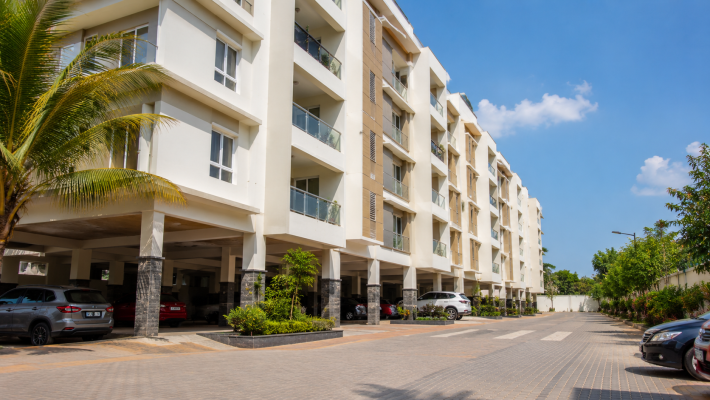
What Exactly is an Apartment Association?
Think of an apartment association as a mini-government for your building. When you buy a flat, you own the inside of your house. But who owns the stairs, the lift, the gym, the garden, and the terrace?
These are called "Common Areas." They belong to all the flat owners together. Since no single person can own or control these spaces, the law says that all the owners must join hands and form a group. This group is the association. They collect a small fee from everyone every month (called maintenance) and use that money to keep the building clean, safe, and working perfectly.
How to Form an Association: The Step-by-Step Process
Forming an association might sound like a lot of paperwork, but it is actually a straight path if you know the steps. Here is how it is done:
- Call for a Meeting: First, gather all the flat owners. Talk to each other and agree to form the association.
- Minimum Numbers: You need at least four flat owners to form an association under the new rules.
- Pick a Name: Choose a good name for your association. For example, "Green Valley Apartment Owners Association."
- Draft the Bye-Laws: This is the most important step. Bye-laws are the rulebook of your building. They say how much maintenance fee to collect, how to hold elections, and what the rules are for pets and parking.
- Registration: You cannot just form a group on a messaging app and call it a legal association. You must submit your rulebook and flat details to the government authority and get a formal registration certificate.
Legal Tip from IFF Law Attorney: This is where many people make mistakes. They download a random rulebook from the internet. Do not do that! Every building is different. As legal experts in non-litigation services, we help flat owners draft perfect, legally safe bye-laws that prevent future fights.
Why Registration is a Must (And What Happens if You Don't)
Many people ask us, "Can we just collect money without registering the association?"
The direct answer is: No. That is very risky.
If your association is not registered:
- No Legal Power to Collect Money: If a flat owner refuses to pay maintenance for six months, an unregistered group cannot do anything legally to force them to pay.
- No Bank Account: Banks will not open an official account for an unregistered group. Keeping lakhs of rupees in a personal savings account is a recipe for disaster and mistrust.
- No Power Against the Builder: If your builder gave you cheap quality lifts or did not finish the car parking, an unregistered association cannot file a proper case against the builder in the RERA court or Consumer court.
Registering your association gives it power. It makes it a legal entity that can fight for your rights.

Understanding Common Areas and the Builder's Role
IFF Law Attorney may consider enquiries relating to this topic. The available steps and scope of any engagement depend on the facts, records, applicable law and acceptance of the matter.
Sometimes, a builder will say, "I am keeping the open terrace for myself," or "I am going to sell the extra car parking to an outsider."
Let us make this very clear: Under the Tamil Nadu laws, once the flats are sold, the builder has absolutely zero rights over the common areas. The lift, the terrace, the lobby, and the driveways belong collectively to the flat owners.
The builder has a strict legal duty to:
- Help the flat owners form the association.
- Hand over all the original property documents, building plans, and safety certificates.
- Transfer whatever maintenance money they collected in advance directly to the association's new bank account.
If your builder is refusing to do this, this is where our litigation services come in. We send strong legal notices and file cases against such builders to ensure you get what is rightfully yours.
Your Rights as a Flat Owner
When you buy a flat and join the association, you get some strong rights. Every resident should know these:
- Right to Vote: Every flat gets one vote in the association meetings. If you and your spouse bought the flat jointly, only one of you can cast the vote. It does not matter if your flat is 1000 square feet or 2000 square feet; normally, one flat equals one vote for general decisions.
- Right to Ask Questions: You have the absolute right to look at the association's bank statements, account books, and bills. Transparency is your right.
- Right to Peaceful Living: You have the right to use the common facilities like the gym or park without anyone stopping you unfairly.
- Right to Challenge: If the association makes an illegal rule (like banning a certain type of food or legally permitted pets), you have the right to object to it and take legal help.
Your Duties as a Flat Owner
With great rights come great duties. To make sure the building runs happily, you must follow these rules:
- Pay on Time: You must pay your monthly maintenance charges on time. If you do not pay, the whole building suffers. Under the law, the association can legally take action to recover the money from you.
- No Damage: You cannot break walls or make major structural changes inside your house that might weaken the whole building.
- Follow the Rules: If the bye-laws say "No loud music after 10 PM," you must follow it. Living in an apartment means respecting your neighbors' peace.

Redevelopment: A Magic Rule for Old Buildings
Chennai, Madurai, Coimbatore, and other cities in Tamil Nadu have many old apartment buildings that were built 30 or 40 years ago. These buildings are now weak. The walls are cracking, the pipes are leaking, and it is no longer safe to live there. The best option is to break the old building and build a brand new, modern one. This is called Redevelopment.
In the past, this was a massive headache. Even if 20 families wanted to rebuild, one stubborn family could say "No" and stop the whole project.
But the Tamil Nadu Apartment Ownership Act, 2022 brought a wonderful change. Now, if the building is very old or unsafe, you do not need 100% agreement. If just two-thirds (that is around 67%) of the flat owners agree to redevelop, the project can go ahead. This simple rule is saving thousands of lives and helping families get better, safer homes.
Common Disputes and How to Solve Them Legally
IFF Law Attorney may consider enquiries relating to this topic. The available steps and scope of any engagement depend on the facts, records, applicable law and acceptance of the matter.
- The Maintenance Defaulter: A resident refuses to pay maintenance for a year. Solution: The association should not cut off essential services like drinking water or electricity immediately—that can cause legal trouble for the association itself. Instead, the association should send a formal legal notice. We help associations send these notices and file recovery suits to get the money back with interest.
- Car Parking Fights: Someone parking in your allotted space. Solution: Your sale deed and the association bye-laws clearly state your parking rights. We help draft strict parking rules inside the bye-laws to stop this nonsense.
- Pet Problems: Some associations try to completely ban dogs or cats. Solution: The law of India says you cannot completely ban pets. However, the association can make reasonable rules (like using leashes in the lift or cleaning up after the pet). We help balance these rules so both pet owners and other residents are happy.
Why You Need a Law Firm Like IFF Law Attorney
Running an apartment association is like running a small company. You deal with lakhs of rupees, vendor contracts, security agencies, and government rules. You should not do it purely by guesswork.
IFF Law Attorney may consider enquiries relating to this topic. The available steps and scope of any engagement depend on the facts, records, applicable law and acceptance of the matter.
IFF Law Attorney may consider enquiries relating to this topic. The available steps and scope of any engagement depend on the facts, records, applicable law and acceptance of the matter.

Conclusion
Living in an apartment should be a peaceful and happy experience. The Tamil Nadu Apartment Ownership Act, 2022, and its new rules are designed to protect you, give you clear rights, and make sure your building is maintained properly.
Remember, a strong, registered association is the key to a beautiful building and a high property value. Do not let builders walk away with your rights, and do not let confusion ruin your community living.
IFF Law Attorney may consider enquiries relating to this topic. The available steps and scope of any engagement depend on the facts, records, applicable law and acceptance of the matter.
Frequently Asked Questions (FAQs)
1. Is it absolutely necessary to register our apartment association in Tamil Nadu?
Yes, it is highly recommended and practically necessary. Without registration, your association has no legal standing in the eyes of the law. You cannot legally enforce maintenance collections or take a builder to court properly.
2. How many members do we need to start an association?
Under the new Tamil Nadu laws, a minimum of four apartment owners are required to form a valid association.
3. Can the builder keep the open terrace?
No. Once the apartments are sold, the open terrace, lifts, and corridors become "Common Areas." They belong to all flat owners collectively. The builder cannot keep them or sell them separately.
4. What can we do if a resident refuses to pay maintenance?
IFF Law Attorney may consider enquiries relating to this topic. The available steps and scope of any engagement depend on the facts, records, applicable law and acceptance of the matter.
5. What is a Retainership for an association?
It is a service where the apartment association hires a law firm, like IFF Law Attorney, for a fixed yearly fee. The law firm acts as a legal guard for the building, handling monthly legal queries, drafting letters, and ensuring no one cheats the association. It is very cost-effective.
IFF Law Attorney may consider enquiries relating to this topic. The available steps and scope of any engagement depend on the facts, records, applicable law and acceptance of the matter.